
AN OVERVIEW BY A & H PEST CONTROL
The Invasive Threat
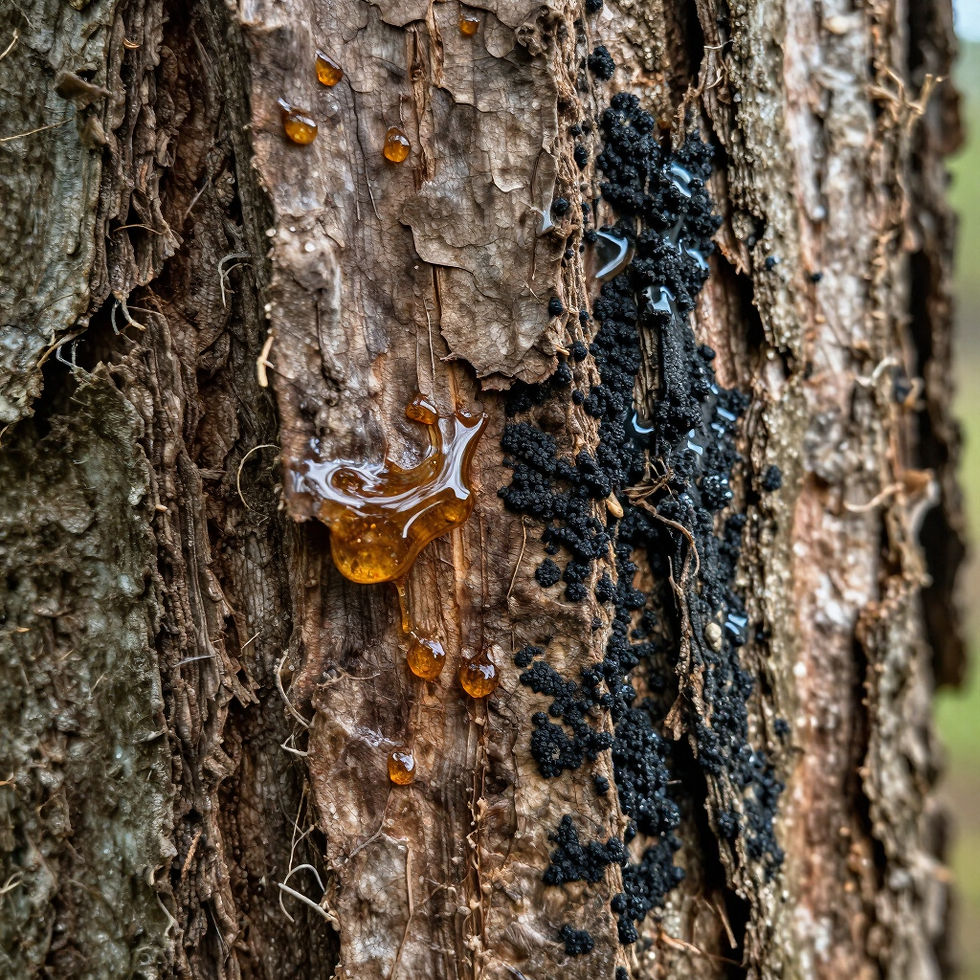
The Spotted Lanternfly (Lycorma delicatula) is an invasive planthopper from Southeast Asia that has rapidly become a significant threat to local agriculture and residential landscapes. For homeowners, these pests are more than just a nuisance; they cause severe damage to ornamental plants and over 70 species of trees by feeding on sap and excreting honeydew, which encourages the growth of black sooty mold. Understanding their life cycle and impact is the first step in protecting your property.
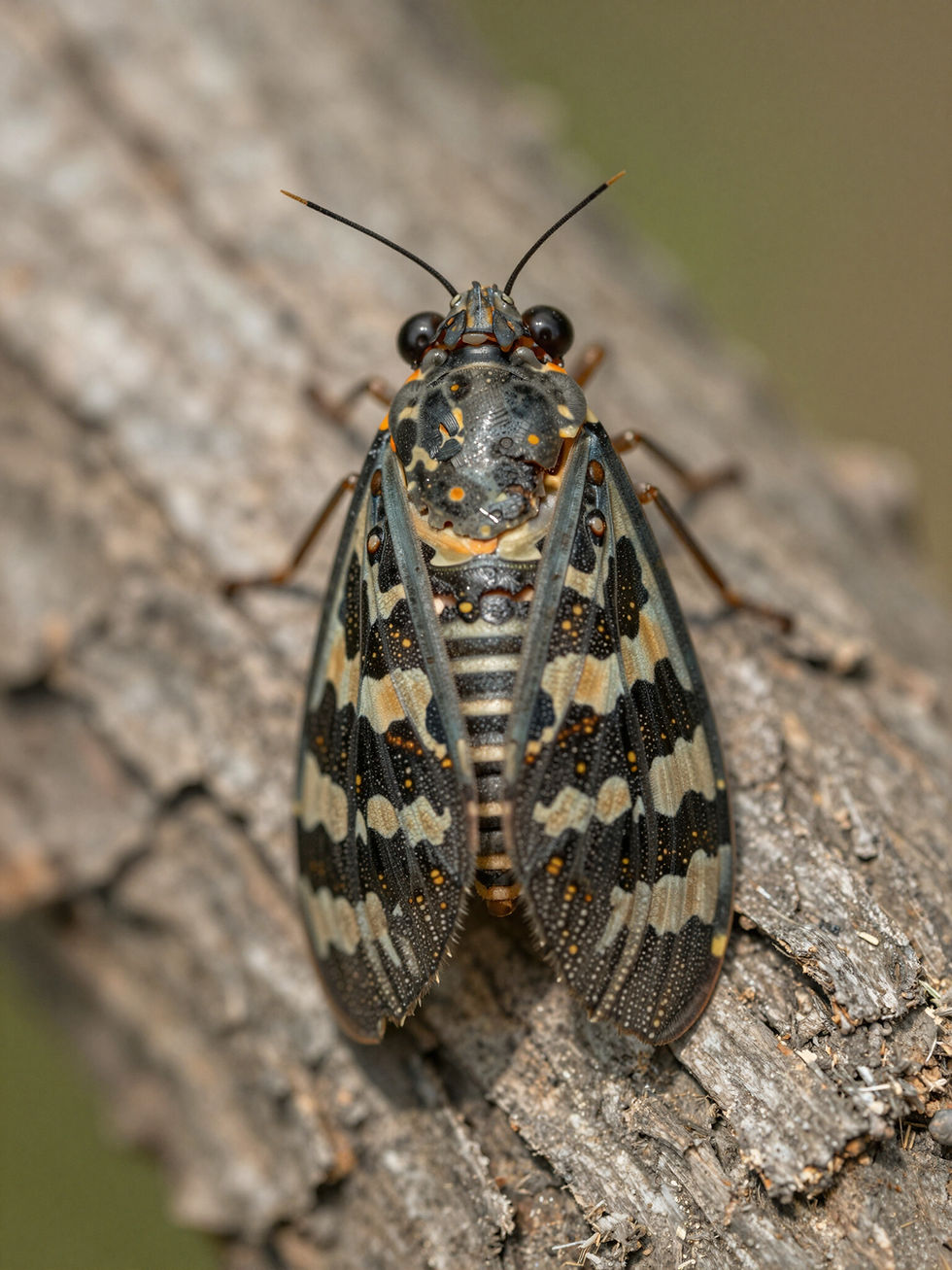
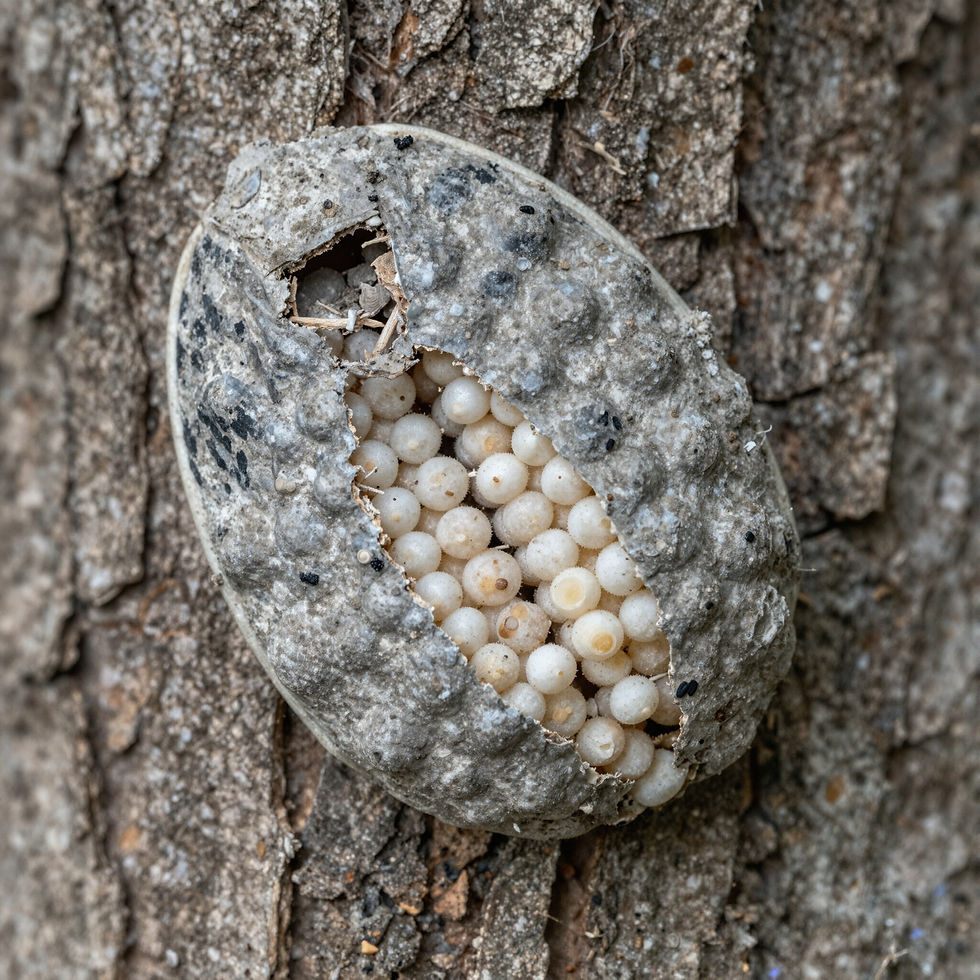
Egg Masses
Fresh egg masses are covered in a gray, mud-like secretion that eventually dries and cracks, resembling old chewing gum or lichen on bark, stones, or outdoor furniture.
How to Identify Spotted Lanternflies
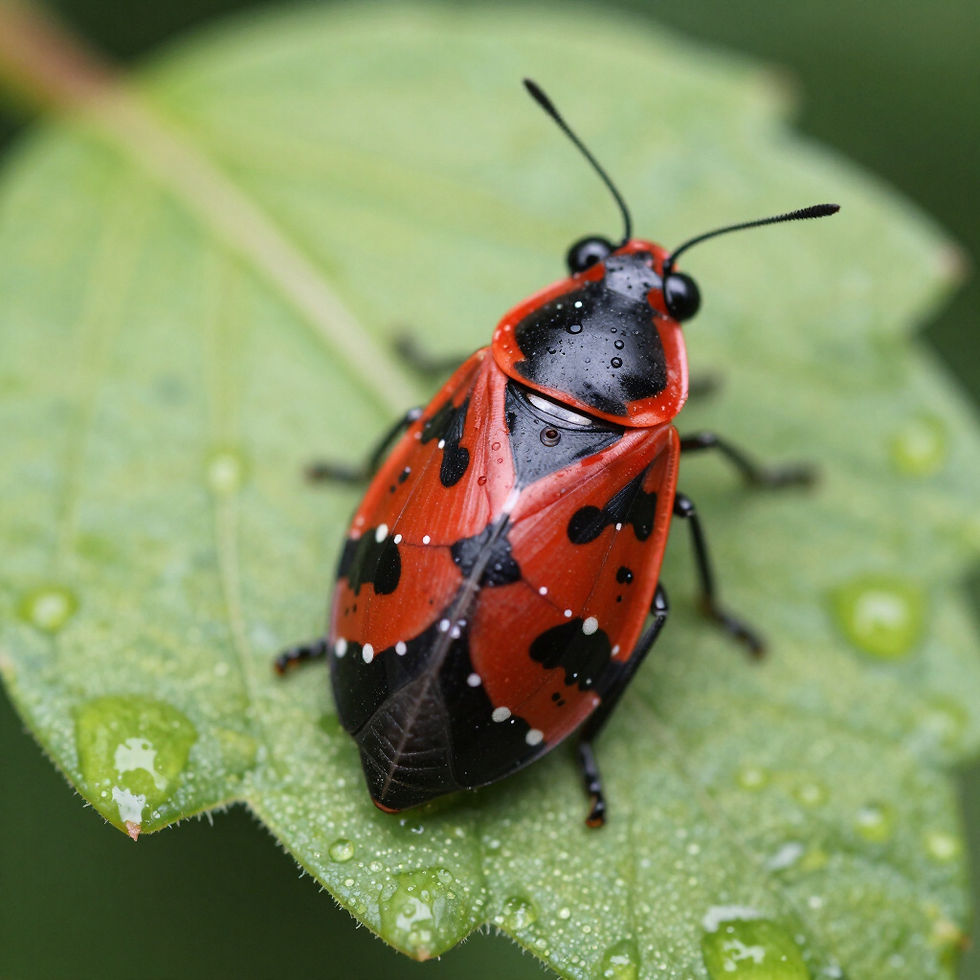
Immature Nymphs
Early nymphs are small, black, and spotted with white. As they reach their final immature stage, they develop a striking bright red color with black and white markings.
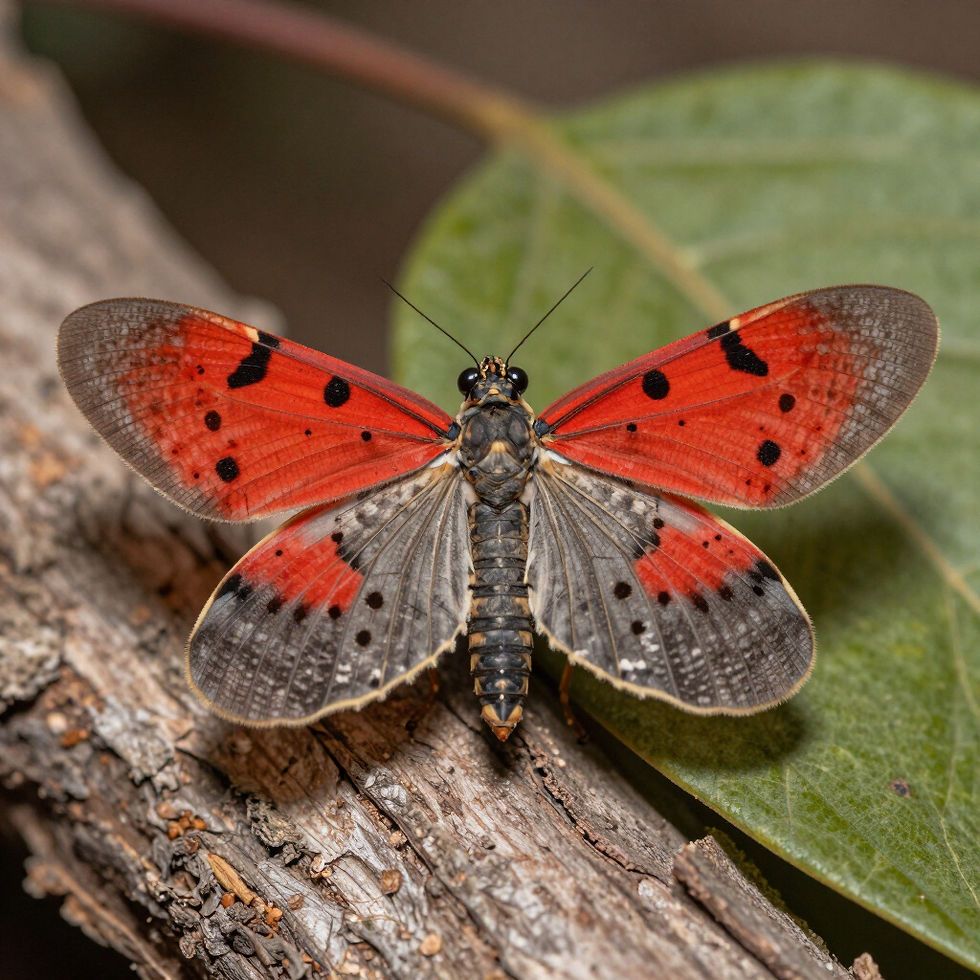
Adult Lanternflies
Adults are about 1 inch long. With wings closed, they appear grayish-pink with black spots. When they fly, they reveal vibrant red hindwings that catch the eye.
Why Act Now?
- Ecological Threat: Lanternflies feed on over 70 types of plants, including fruit trees and hardwood, weakening them until they die.
- Honeydew Mess: They excrete a sticky substance called honeydew that encourages black sooty mold growth on your patio, furniture, and cars.
- Property Damage: The resulting mold and heavy infestations can permanently stain stone, wood, and outdoor fabrics.
- Agriculture Impact: These pests threaten local vineyards and nurseries, putting our community's green economy at risk.
Protect Your Property
703-725-0364
Spotted lanternflies can cause severe damage to your landscape if left untreated. Our specialists are ready to help with eco-friendly solutions.